

The Journey From Script to Spotlight

Updated: Sep 28, 2025
Every powerful stage production begins with a script—a blueprint for what will eventually unfold under the lights. The script is where imagination takes form, where characters are born, and where themes begin to take shape. Writers pour their creativity into crafting dialogue, settings, and arcs that will later be transformed by actors and directors. This is the foundation of the theatrical journey, the spark that ignites everything that follows.
Once the script is in hand, the director steps in to bring it to life. Their role is to shape how the words will be translated to the stage—deciding on pacing, tone, and the overall mood of the production. Through collaboration with designers, choreographers, and the cast, the director creates a cohesive vision that guides every artistic decision. This step transforms the script from a written work into a living, breathing concept ready to be realized.
A story is only as strong as the people who embody it. Casting is one of the most critical stages of the journey, as it requires finding actors who not only fit the roles but can also bring depth, authenticity, and emotion to their performances. Auditions, callbacks, and workshops help match the right talent to the right character. Once chosen, the actors become the heart of the production, carrying the script’s words into the realm of human connection.
Rehearsals are where the magic starts to take shape. Actors experiment with delivery, explore chemistry with one another, and discover new nuances in the script. Directors and stage managers fine-tune timing, movement, and expression, while choreographers and fight directors ensure that every physical element feels natural and safe. This stage is full of trial and error—lines are tested, blocking is reworked, and moments of brilliance often emerge unexpectedly.
While the cast rehearses, designers work behind the scenes to build the world of the production. Set designers create physical spaces that reflect the mood of the story. Costume designers craft garments that reveal character traits and eras. Lighting and sound designers heighten emotion, shift focus, and transport audiences to entirely new places. These creative elements turn an empty stage into a fully realized world, amplifying the impact of the performance.
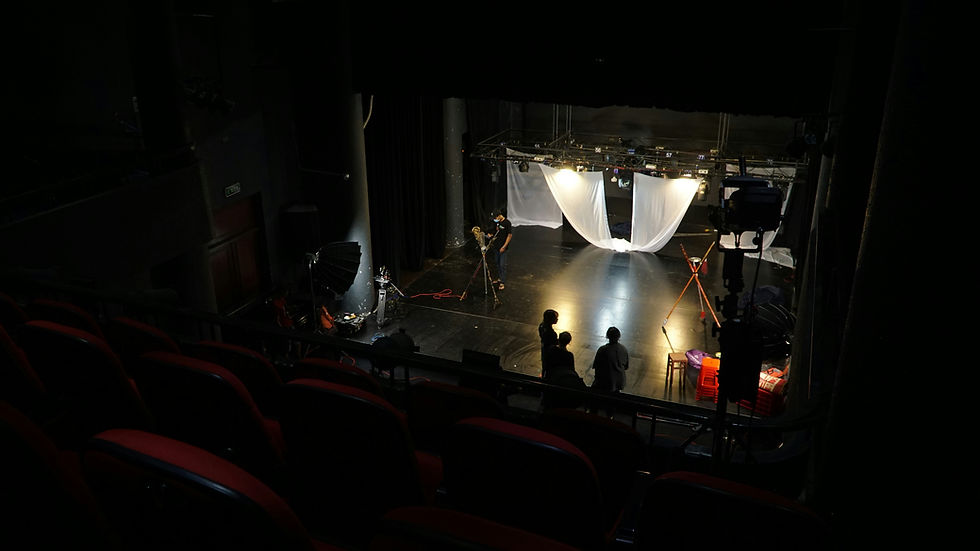
As opening night approaches, the production enters technical rehearsals, or “tech week.” This phase is where everything comes together—actors, sets, lights, sound, and costumes are integrated into the performance. Timing becomes critical, with cues practiced and refined until they are seamless. It’s often the most demanding stage of preparation, but also the most rewarding, as the show evolves into the polished version that will meet its audience.
Finally, the spotlight shines. When the curtain rises on opening night, months of effort are unveiled in a single moment. Actors step into their roles with the energy of live performance, feeding off the audience’s reactions. The script that began as words on a page now exists as a shared experience, unique to every performance. Each show deepens with repetition, as the cast grows more comfortable and new discoveries continue to emerge.
The journey from script to spotlight is not a one-time event but part of theatre’s ongoing cycle. Once one show concludes, another begins—new scripts, new visions, new worlds to explore. This constant renewal keeps theatre alive, ensuring that stories continue to reflect, challenge, and inspire audiences. From the quiet beginnings of a draft to the thunderous applause of a standing ovation, the process is a testament to the transformative power of performance.

Comments